
![]() An Exhibition of Fine Bindings: Introduction
By Siggy Frank
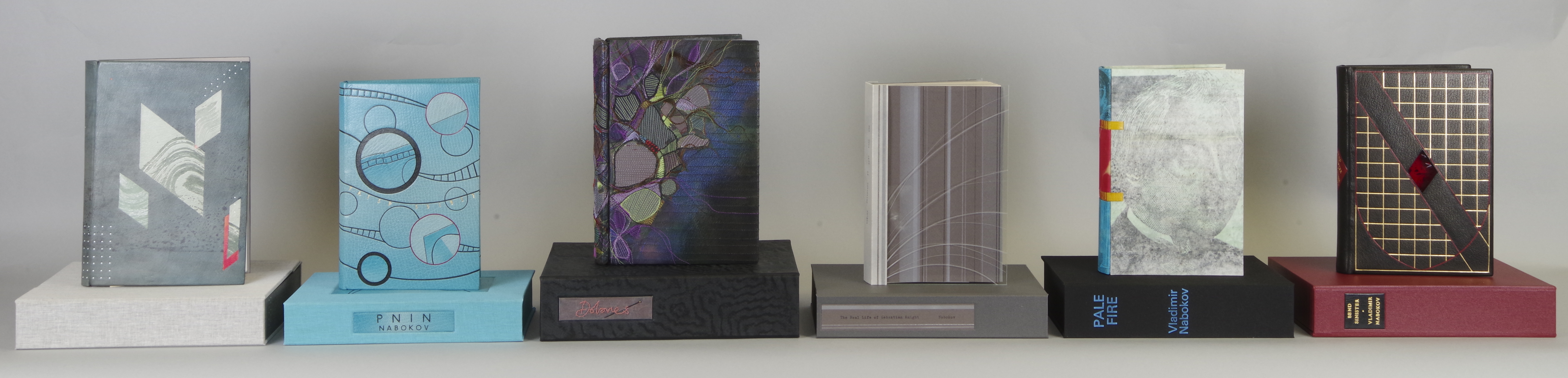
Nabokov’s works are marked by a profound literary self-awareness. They are populated by writers, critics, editors and scholars who manipulate, lose, steal, mistranslate and reshape texts. Extending beyond the printed page, his narratives spill into indexes, forewords, commentaries and illustrations, drawing attention to the book as a material object. This fascination with the physical book provides the starting point for an academic-creative collaboration between staff at the University of Nottingham and the British charity Designer Bookbinders UK.
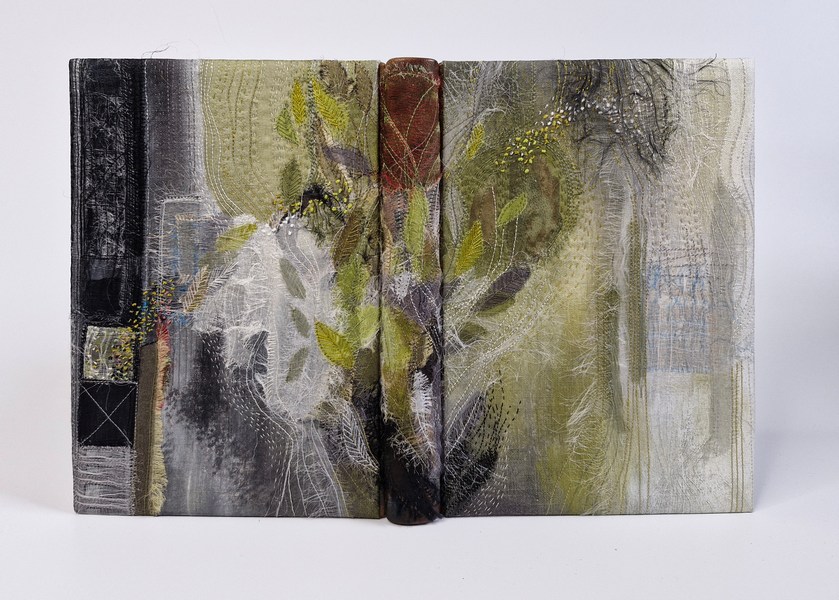
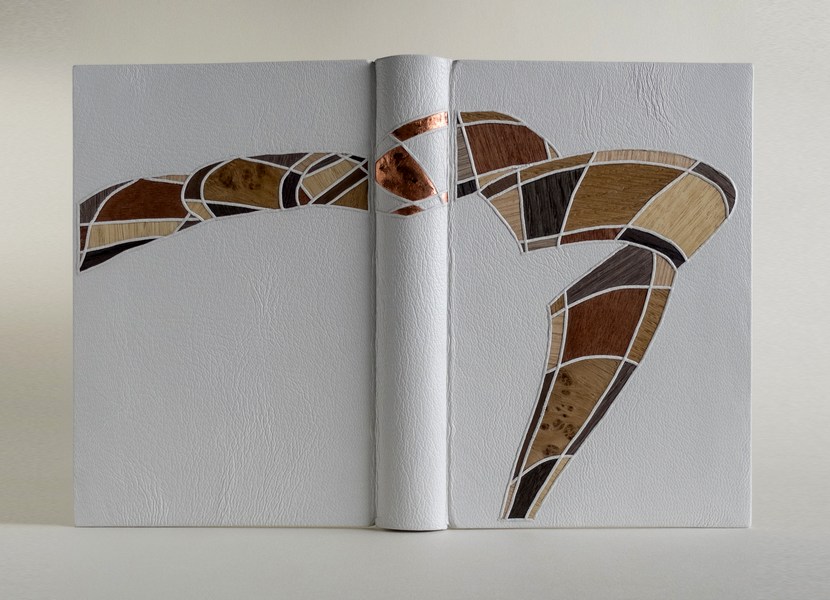
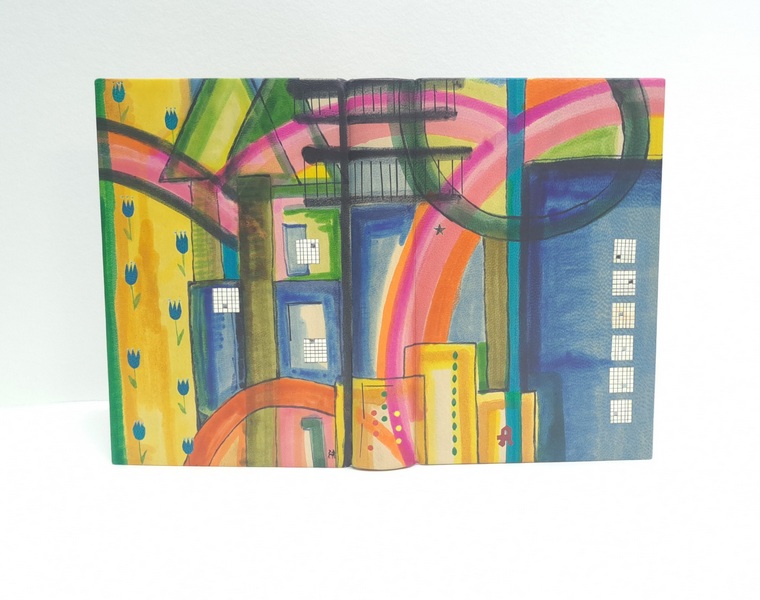
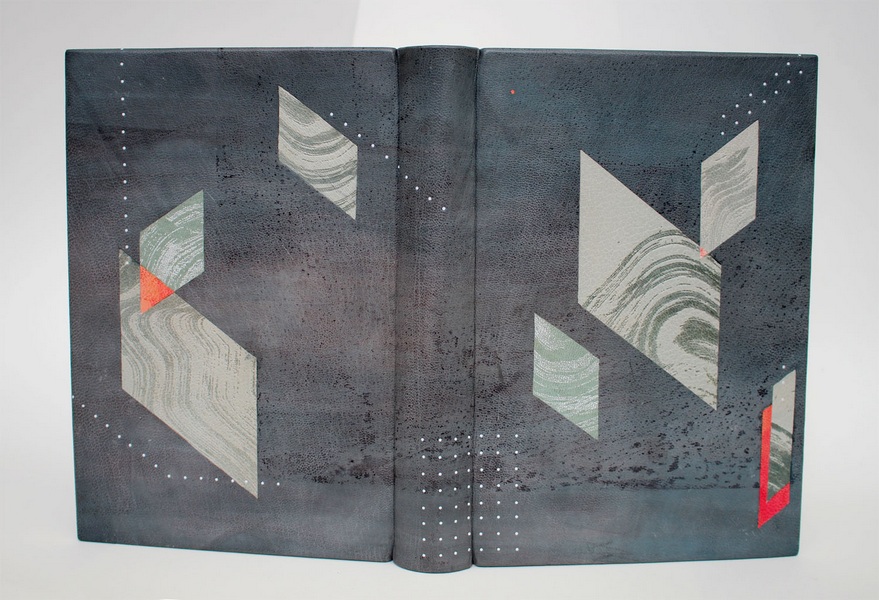
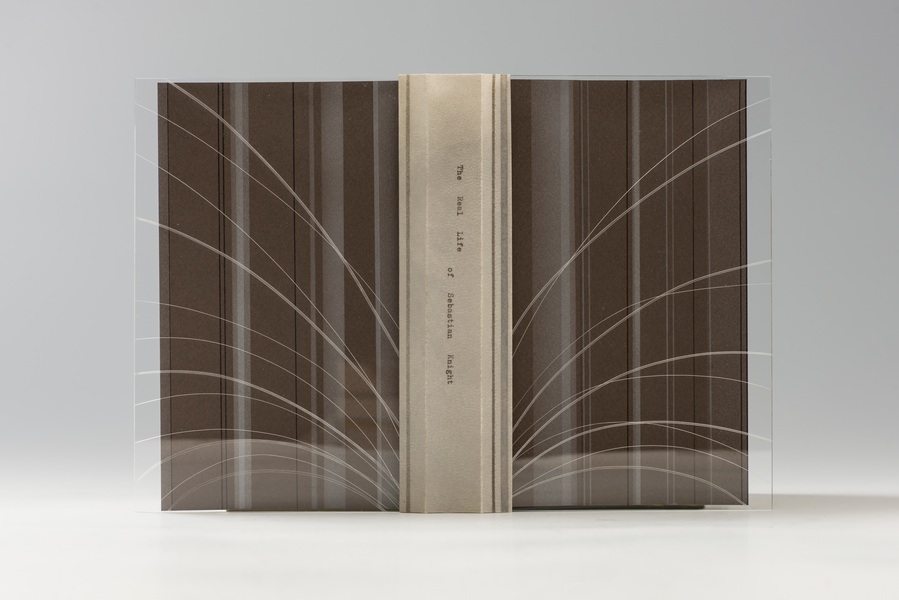
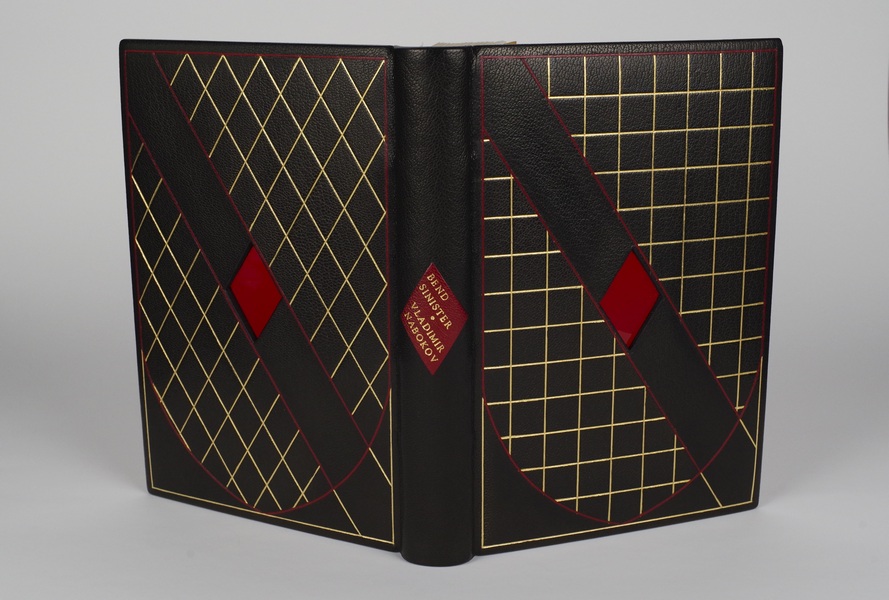
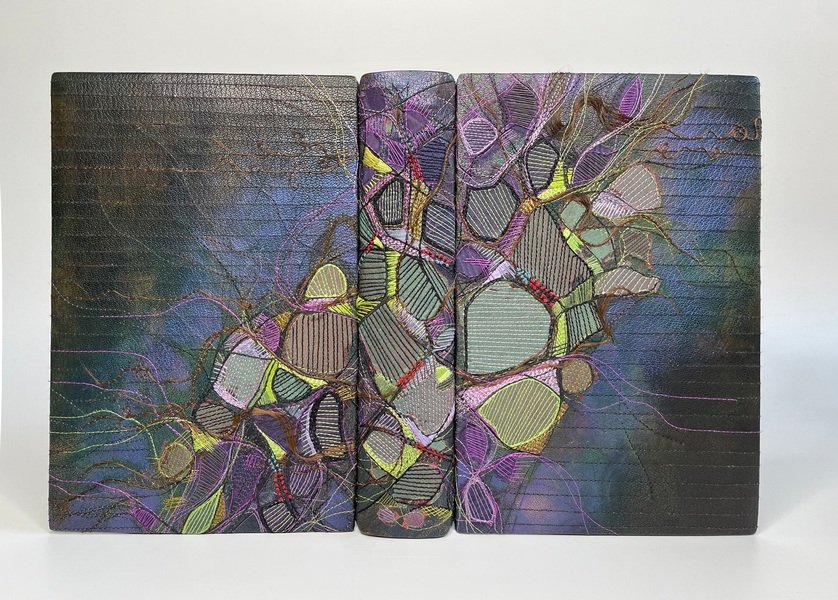
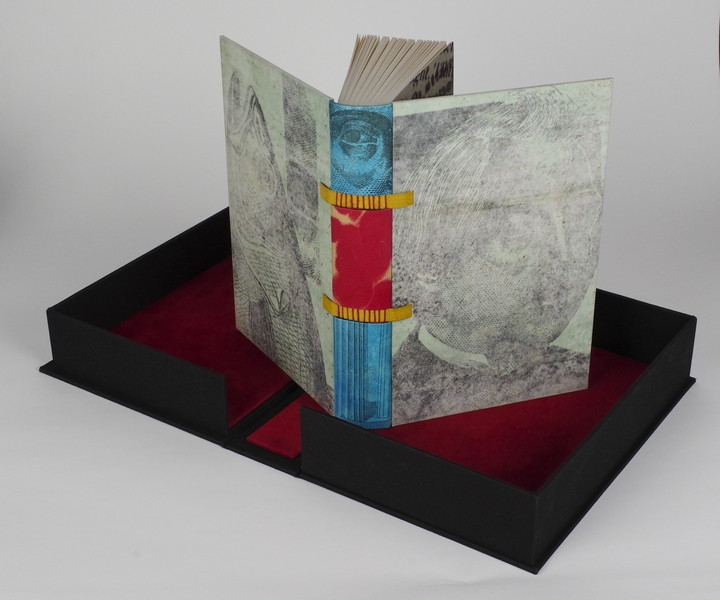
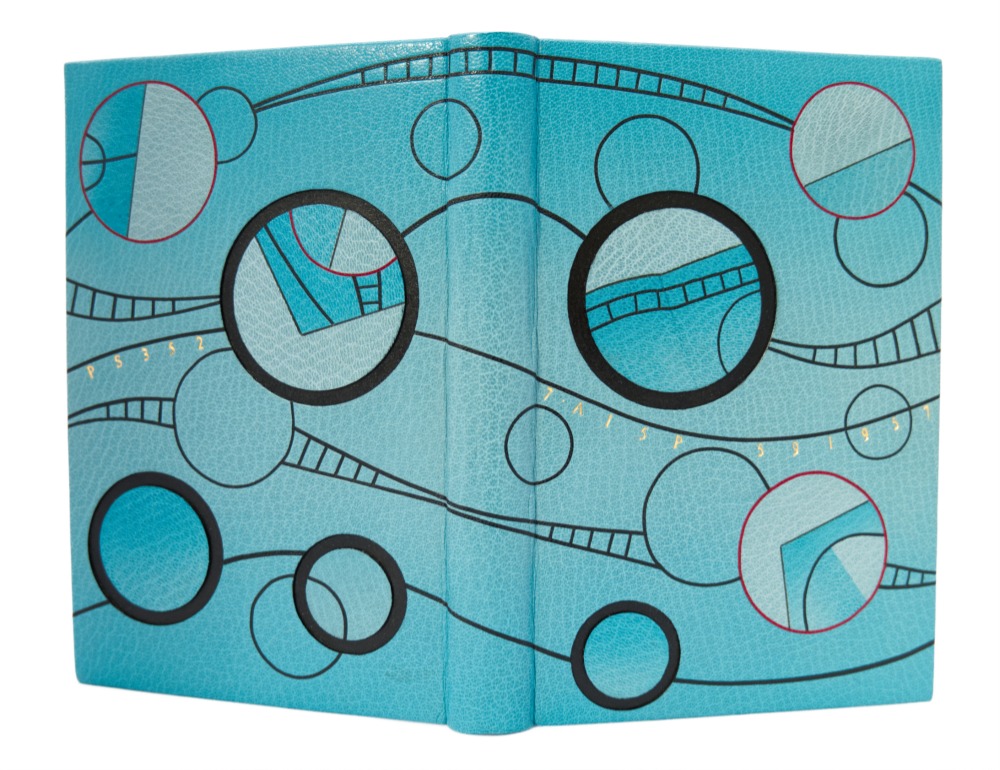
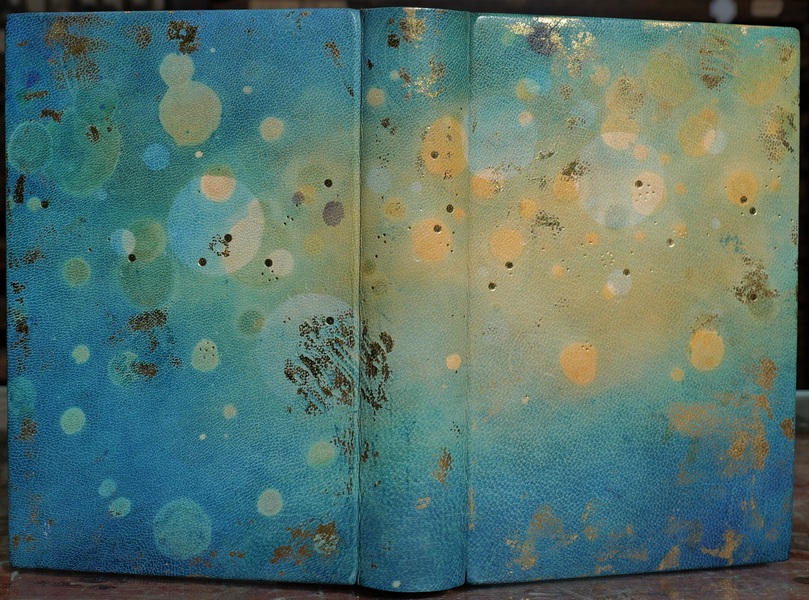
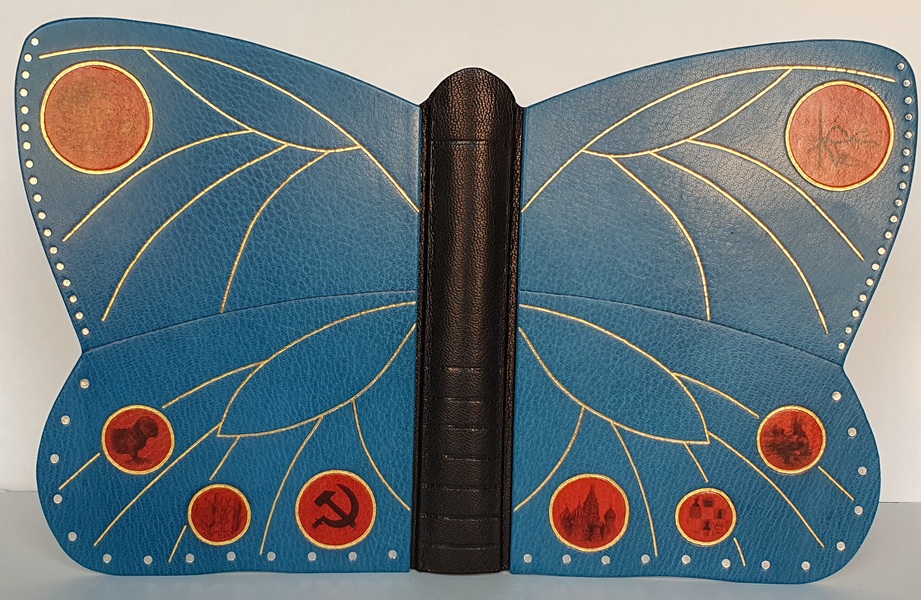
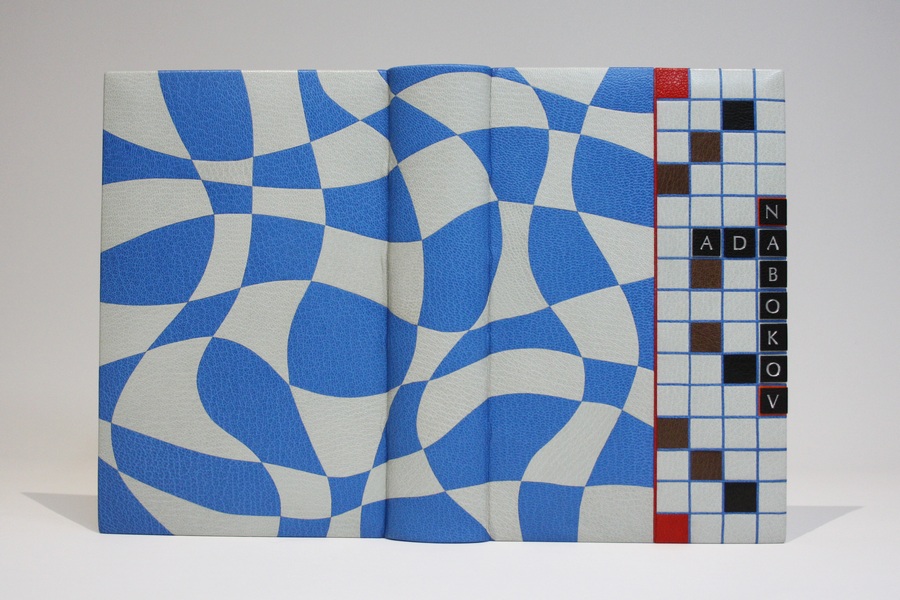
The project explores the dynamic relationship between the fictional worlds of Nabokov’s texts and the material properties of the books that contain them. Fellows and Licentiates of Designer Bookbinders have created a series of unique bindings for selected works by Nabokov, translating his distinctive metafictional techniques into the material form of the book itself. Utilising a range of artistic approaches, the design bindings seek to challenge perceptions of the relationship between book and text and invite viewers to reconsider the relationship between content and container, text and book design as well as the authorship of both texts and books.
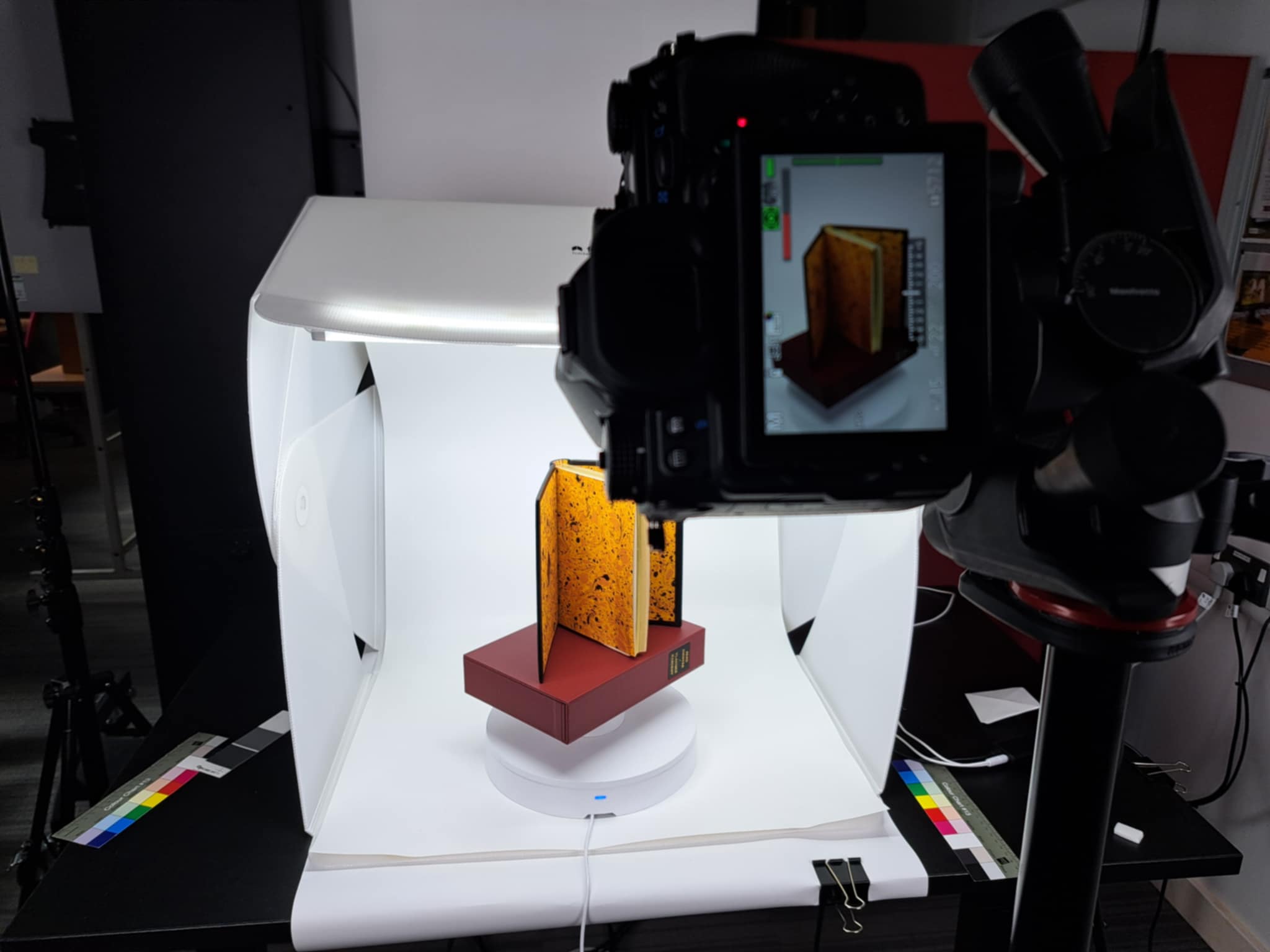
Several of the design bindings have been digitised by Matt Davies of the Digital Transformations Hub at the University of Nottingham, using photogrammetry. The resulting 3D models not only make these bindings more widely accessible but also raise important questions about what a book is, and what it can become. By translating unique physical artefacts into digital objects, they further complicate the project's central concerns with the mediation of texts in printed and digital books. Taken together, the physical bindings and their digital counterparts invite us to rethink the boundaries between the text and its material and virtual form and to consider the multiple ways in which texts are shaped by the forms through which they are encountered.
Acknowledgements
I would like to express my gratitude for the generous funding provided by the University of Nottingham and the Arts and Humanities Research Council, without which this project would not have been possible.
My sincere thanks go to Glenn Malkin, project manager for Designer Bookbinders, who has been exceptionally generous with his time, ideas and advice throughout the project. I am also grateful to Matt Davies of the Digital Transformations Hub at the University of Nottingham for devising ingenious ways of digitising the bindings and for his invaluable technical support.
I would like to thank each of the binders for the beautiful and imaginative work they have contributed to this project. Their craftsmanship and creativity have made this exhibition possible.
I am also deeply grateful to the International Vladimir Nabokov Society for hosting this digital display. In particular, I would like to thank Stephen Blackwell for his unfailing encouragement, support and patience in helping to give this project its virtual home.